Industry
Inside Nigeria's cassava value chain
From tuber to starch, garri, flour and chips — how one root supports four industrial product lines and thousands of livelihoods.
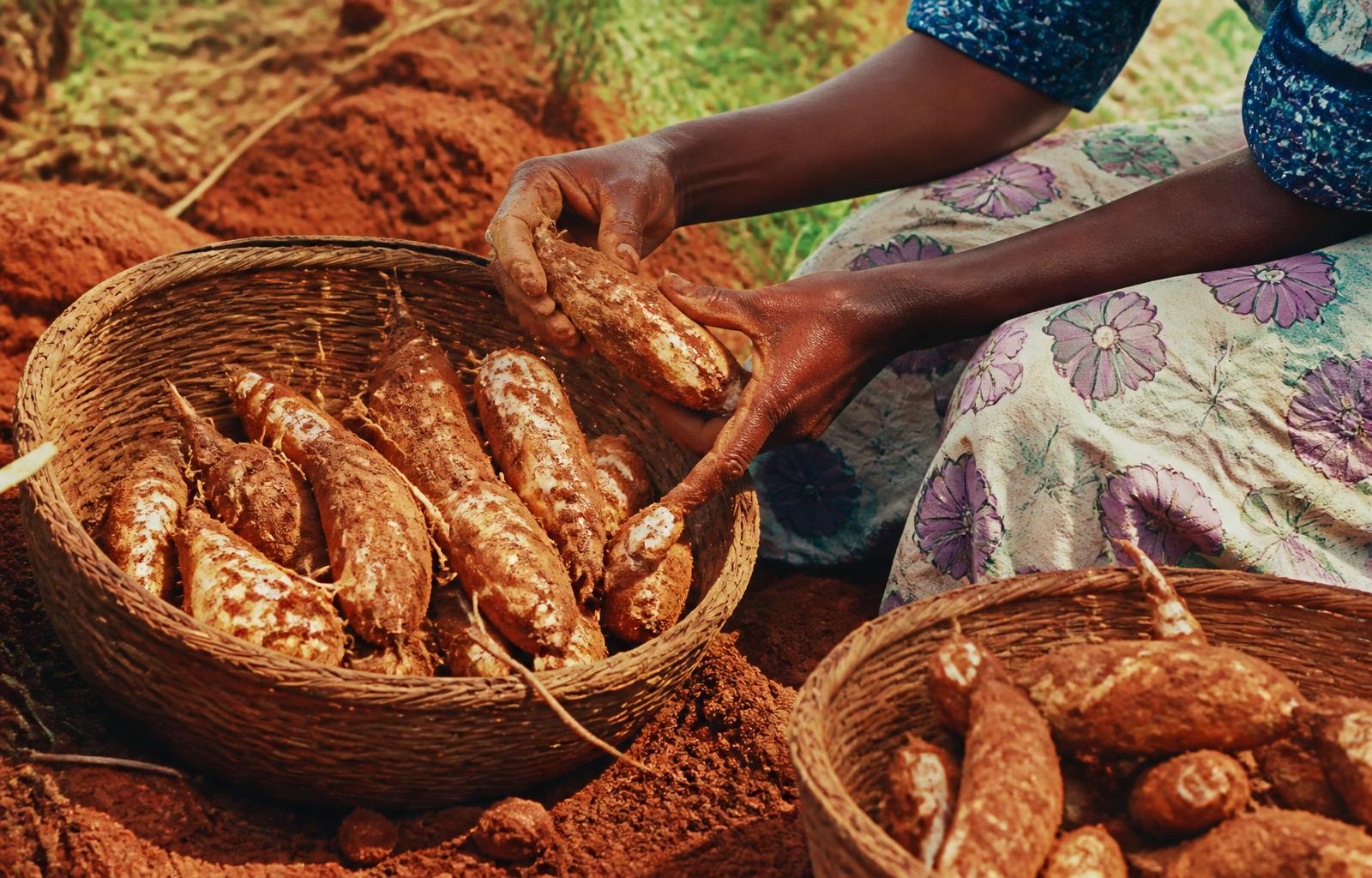
Nigeria is the world's largest producer of cassava, yet a striking share of the crop still leaves the farm without being processed into anything of higher value. The gap between harvest and finished product is where the industry's opportunity sits.
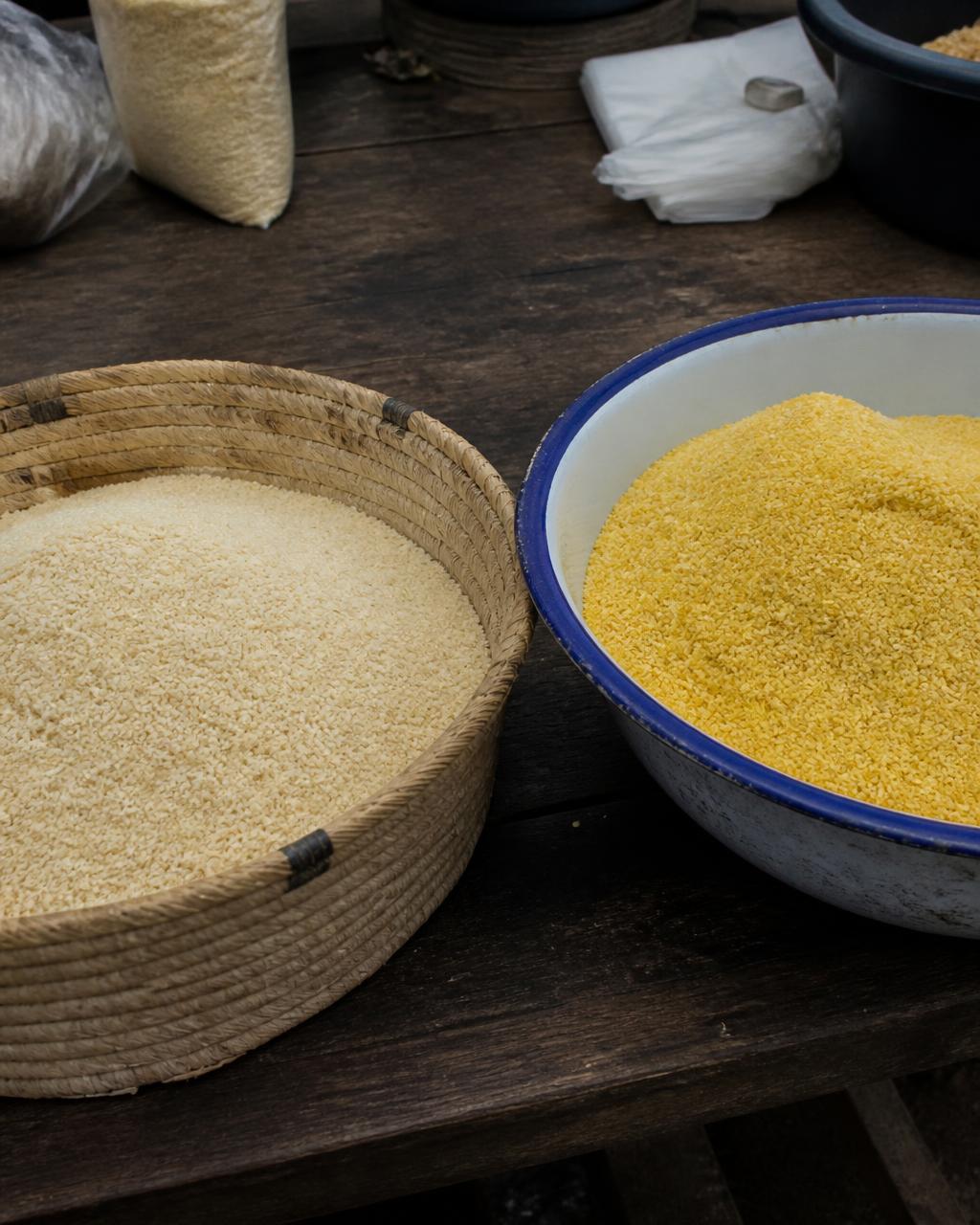
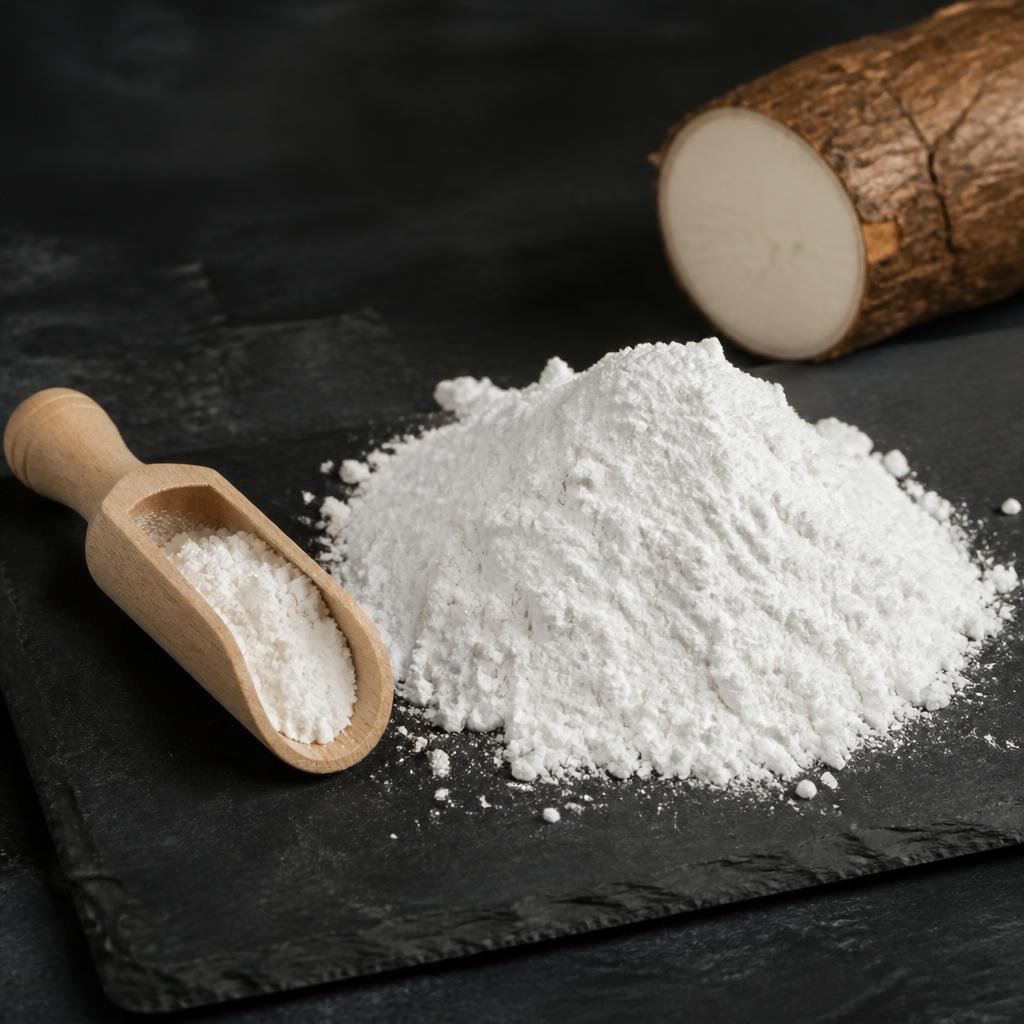
A single tuber can travel four routes. Wet milling and extraction give native starch for food and industrial formulation. Fermentation and roasting give garri. Drying and fine milling give high-quality cassava flour. Slicing and sun-drying give chips for feed and export.
Each route has a different time constraint. Cassava begins deteriorating within 48 hours of harvest, which means processing capacity has to sit close to the farm cluster — not at the port.
Our plants in Ebonyi and Akwa-Ibom States exist for exactly that reason: to shorten the distance between the field and the first processing step, and to keep more of the value inside the communities that grow the crop.
Need this product at volume?
Send us your specifications and delivery window — we respond with a costed proposal within two business days.
Request a quote